

Genuinely low testosterone exists, is diagnosed with clear criteria — symptoms plus repeated blood tests — and has supervised treatment. These guides separate what the evidence supports from what marketing promises: what hypogonadism is, what to expect from TRT and why a single blood test is not a diagnosis.
Testosterone can raise your haematocrit. Above 52% it counts as erythrocytosis, and the Endocrine Society sets 54% as the level at which treatment is paused. Here we explain why it happens, what the measured risk actually is and which follow-up blood tests are done in Spain.

When an anabolic steroid cycle ends, your own testosterone usually takes months to come back, and fertility takes even longer. What to expect, what not to do, which tests are ordered and when you should see a doctor without waiting.

In Spain, testosterone is a prescription-only medicine and the distance selling of prescription medicines is banned: there is no legal website that can send it to you, however many "online medical consultations" or quality seals it displays. Here we explain which risks are real, which are myths, and what the correct route is for diagnosing and treating low testosterone.
What testosterone therapy really is, who it is indicated for, how it is prescribed in Spain and what the evidence says about its benefits and its risks, without the hype or the anti-ageing promises.
Low testosterone has become a catch-all explanation for tiredness or low mood, but genuine hypogonadism is something else: it requires specific symptoms plus a confirmed blood test, and it is less common than the marketing suggests. Here is what the evidence says, which symptoms really count, and why a single low reading diagnoses nothing.
Two drugs that raise your own testosterone without switching off fertility. The idea looks good on paper; the problem is that neither the EMA nor the FDA approved them for that, and in Spain they are not authorised for use in men.

For almost three decades sildenafil has been the best-known drug for erectile dysfunction, and also one of the most misunderstood. It is not an aphrodisiac, it does not work without sexual stimulation, and it does not resolve the cause of the dysfunction. We look at exactly what it does, what it showed in the trials, what it must never be combined with, and which myths are worth dismantling with data.
Both are PDE5 inhibitors and both need sexual stimulation to work. What differs is how long they stay in the body, how food affects them, which dosing regimens are approved in Spain and the extra indication one of them has. Here are the real differences, based on the AEMPS product information and the 2025 European urology guideline.
Tadalafil is a PDE5 inhibitor authorised in Spain for erectile dysfunction and for the symptoms of benign prostatic hyperplasia. We explain how it works, what the guidelines say, which myths don't hold up and what it must never be combined with.
One low result is not enough to justify a testosterone prescription. Guidelines require morning, fasting total testosterone, repeated on different days, plus symptoms that fit and a safety check that includes PSA and haematocrit. We explain each test, what it is for and what is known about how it is used in Spain.
Before starting testosterone, a PSA test is not the only thing that is checked. The guidelines call for hypogonadism to be confirmed with symptoms and appropriate blood tests, and for the prostate, haematocrit, fertility and other possible causes of the symptoms to be assessed.

Testosterone boosters, maca, tribulus, zinc, ashwagandha… the shelves are full of promises. We take a calm look at what the science actually supports, what is pure marketing and why it matters to tell a genuine deficiency apart from a passing trend.
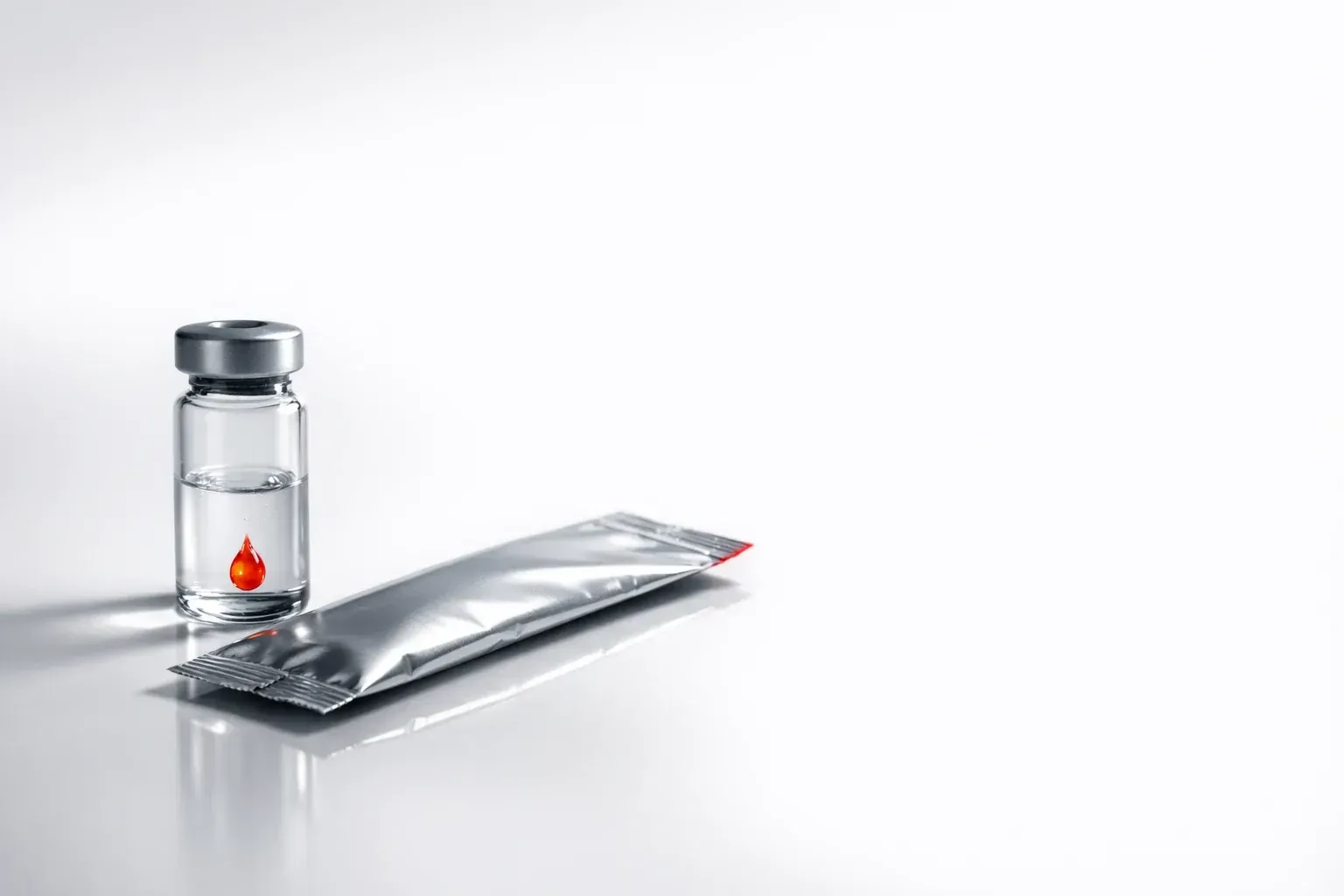
The route a drug takes into the body changes how much of it reaches the bloodstream, and how fast. Here we explain what bioavailability is, why the route matters, and what the evidence says about the idea that injections are always "stronger".
Learn about the medical assessment and follow-up process.
View the assessmentWe use our own and third-party cookies to make the site work, to measure how it is used and, if you agree, to measure our campaigns. You can accept all, reject all or choose which ones. Cookie policy
Choose which categories you allow. You can change this at any time from “Cookie settings” at the bottom of the page. Cookie policy
They make the site work: language, visual universe, your assessment in progress and this very choice. They cannot be turned off.
Google Analytics (through Google Tag Manager) and Microsoft Clarity: they measure in aggregate how the site is used and help us spot errors.
Meta pixel (Facebook and Instagram): measures how well our campaigns perform.